




News
Stakeholders Impressed by Proposed Agricultural and Grazing Areas under the National Land Use Framework Plan
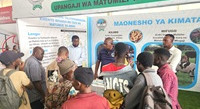
Some stakeholders visiting the Commission’s pavilion at the ongoing International Agricultural Exhibition at Dkt. John Samwel Malecela Grounds in Nzuguni, Dodoma City, have expressed interest in the map showing areas proposed for agricultural and livestock activities under the National Land Use Framework Plan (NLUFP). They noted that effective implementation of the plan could be among the key solutions to land use conflicts in the country.
The stakeholders highlighted the importance of the plan in providing a framework for land use across various sectors, including agriculture, livestock and fisheries, thereby promoting balanced and sustainable use of land for productive activities.
In the agricultural sector, the plan focuses on strengthening productive agriculture by increasing income generated from farming, reducing poverty, and enhancing household food security.
The implementation of the agricultural programme also aims to increase production and incomes through both large-scale and smallholder farming, improve crop storage and management systems, and promote the adoption of appropriate technologies to enhance agricultural productivity.
Meanwhile, the Livestock Programme seeks to strengthen the livestock sector by increasing the productivity and incomes of livestock keepers and farmers, improving livestock production for domestic industries and export markets, and enhancing the livelihoods of communities dependent on livestock activities.
The programme also promotes the use of energy generated from livestock manure, an approach that can contribute to sustainable resource management while creating additional economic opportunities for livestock-keeping communities.
Overall, stakeholders noted that effective implementation of the National Land Use Framework Plan, particularly through the designated areas for various productive activities, will help establish clear and practical land use arrangements, reduce overlapping land uses and conflicts, and enable the agricultural and livestock sectors to make a greater contribution to economic growth and improved livelihoods.